A Return to Ethiopia
Why this Yirgacheffe reminded me what coffee can be

Some coffees don’t just taste good. They pull you backward.
Back to the moment when coffee stopped being background noise and started being something you paid attention to. Back to the first time you realized a cup could taste like something—not just “coffee,” but fruit, florals, brightness, intention.
This one did that for me.
When I first got into specialty coffee, the coffees that cracked everything open were Ethiopian naturals. Those early blueberry-forward cups were the first time I learned how to name flavors, how to notice difference, how to sit with a cup instead of inhaling it between finals. They weren’t subtle. They were loud in the best way. They made coffee feel alive.
And if I’m honest, for the last six or seven years, a lot of Ethiopian coffees haven’t quite landed like those early ones did. Still good. Still respectable. But missing that spark.
This coffee feels like a return.
Slow Down
Right away, the cup is bright—but not sharp.
Think cooked lime and cooked grapefruit, softened and rounded instead of biting. There’s a clean sugar cane sweetness that holds the acidity in place, and a quiet layer of dried florals that lingers just long enough to make you take another sip.
Nothing is screaming. Everything is balanced. It’s the kind of coffee that rewards attention, especially as it cools.
This isn’t a “wow” coffee in the first sip kind of way.
It’s a “wait… there it is” coffee.
Idido, Yirgacheffe — Where Care Shows Up
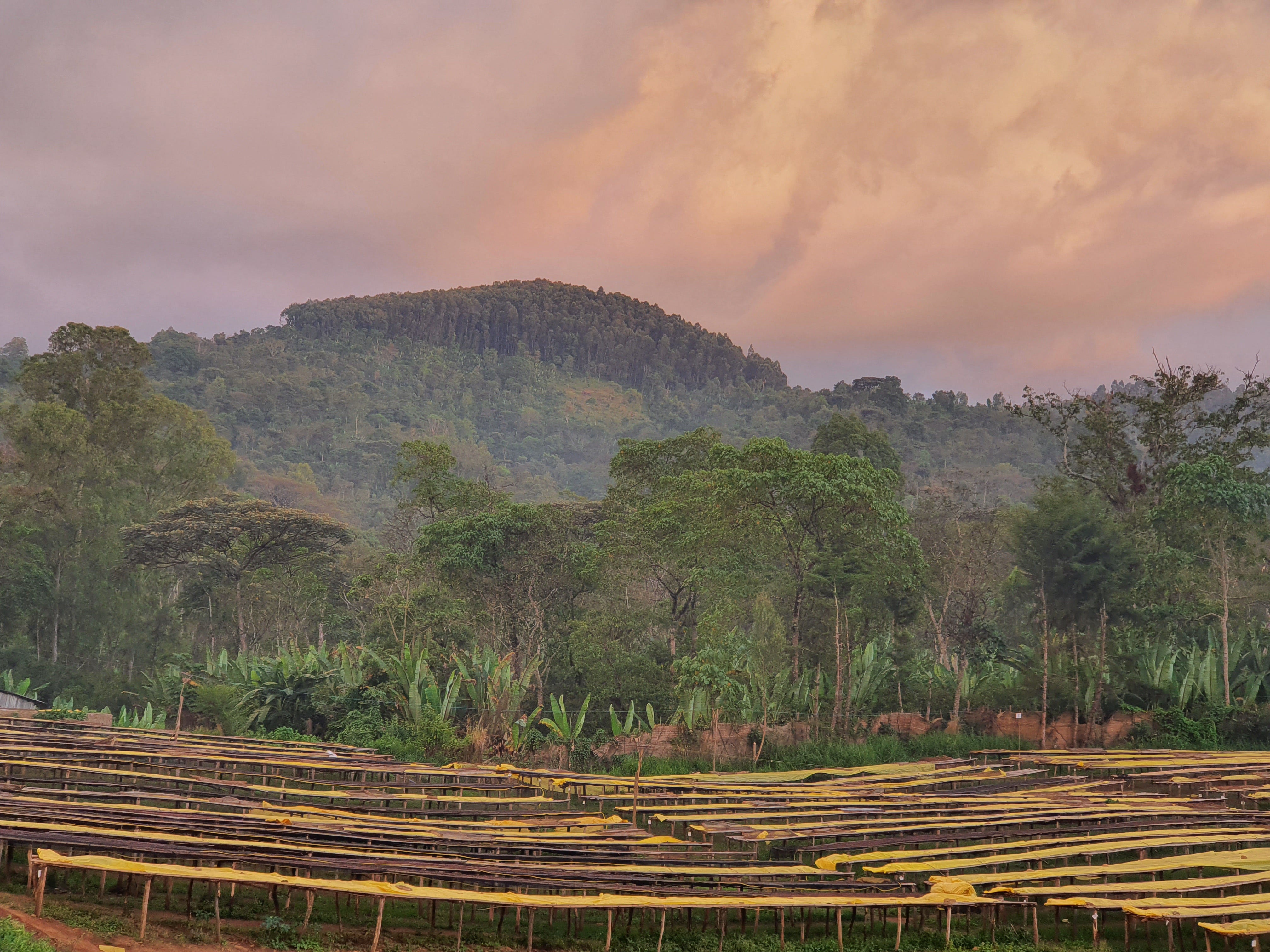
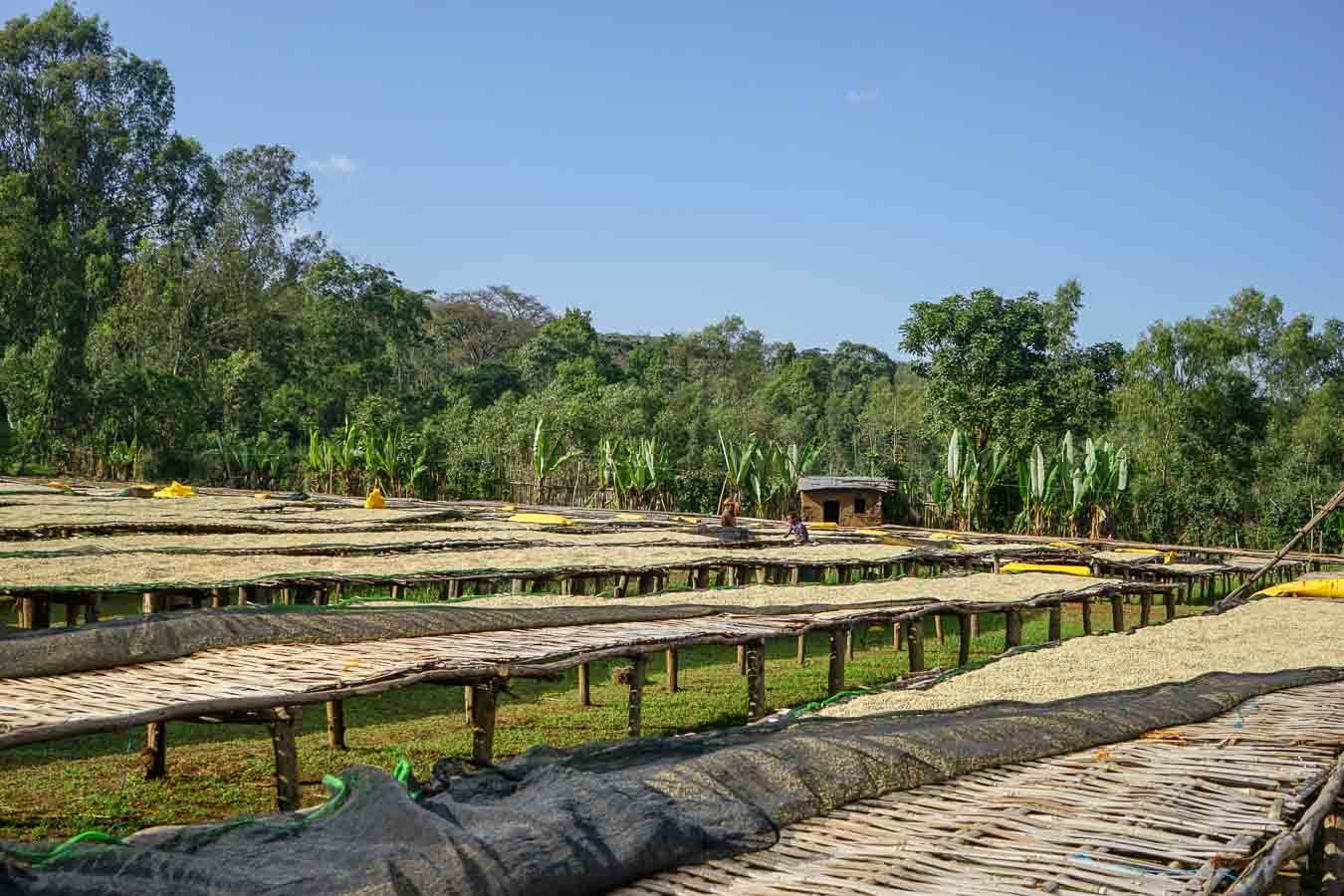
This lot comes from the Idido Washing Station, located just outside Yirgacheffe town in southern Ethiopia. During harvest, around 1,200 smallholder farmers from nearby villages—Idido, Aricha, Worka, Chelbesa, Halabariti—deliver cherry here.
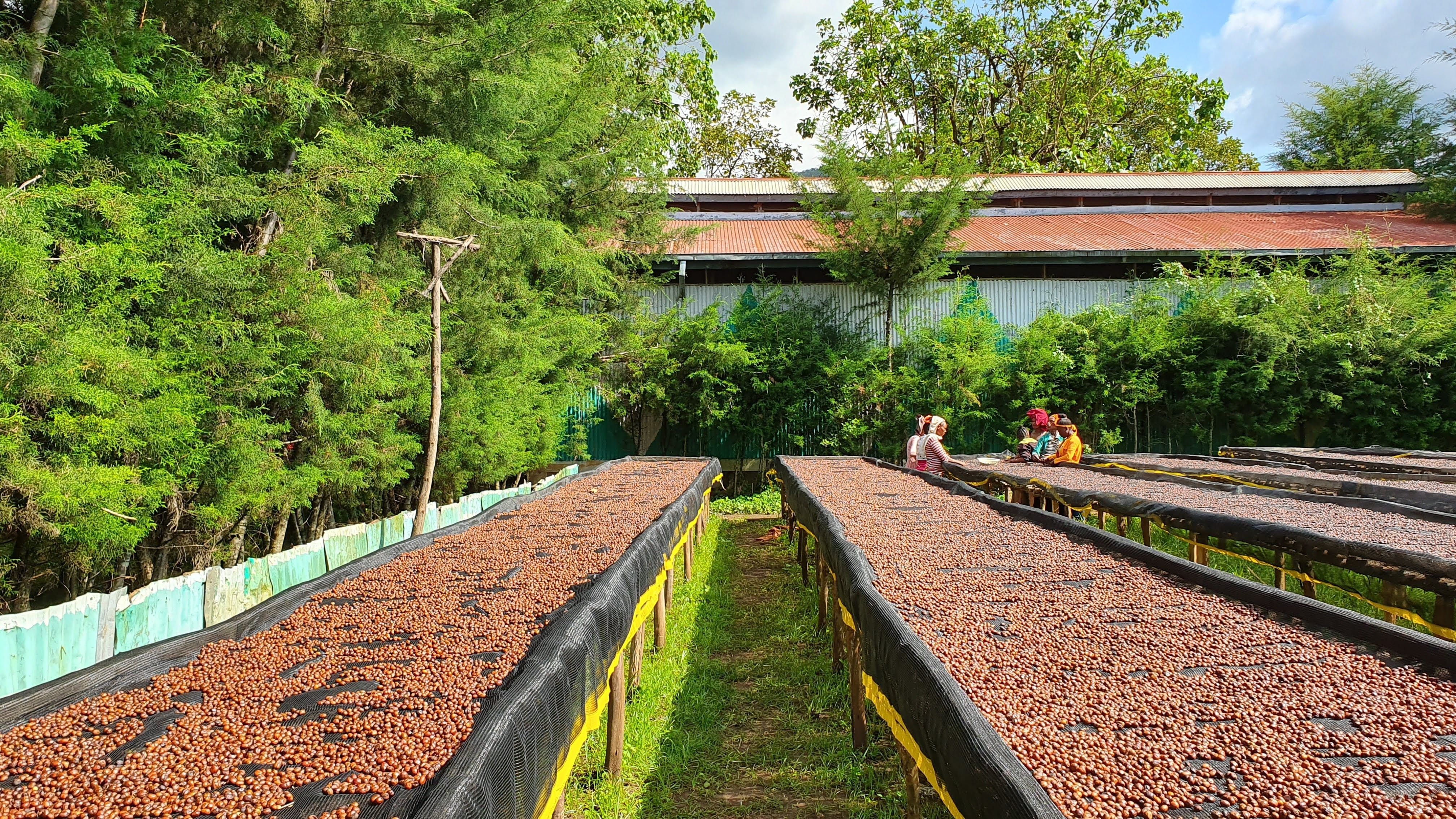
This coffee is part of the Malebo Project, a special program where only Grade 1 seeds from the Idido area are selected and processed separately. Notably, this was Idido’s only washed coffee this season.
The coffee was:
Hand-sorted throughout an 18-day drying process
Rested for four weeks before milling
Carefully stabilized at 11.2% moisture
This isn’t efficiency-driven coffee.
It’s patience-driven coffee.
What “Washed Special Prep” Actually Means
In Ethiopia, “Special Prep” is about restraint and focus.
The cherries for this lot come from a limited number of smallholder farmers and are kept completely separate from other coffees. Roughly 90% of the cherries are perfectly ripe, with only minimal variation. Often, they’re picked in a single day, depulped the same day, fermented briefly, washed clean, and then dried slowly on raised beds.
The result is clarity.
You taste the place, not the process.
Coffee That’s Older Than the Industry
Like most Ethiopian coffees, this lot is made up of native heirloom varieties—plants that weren’t engineered or imported, but discovered growing wild and slowly cultivated over generations.
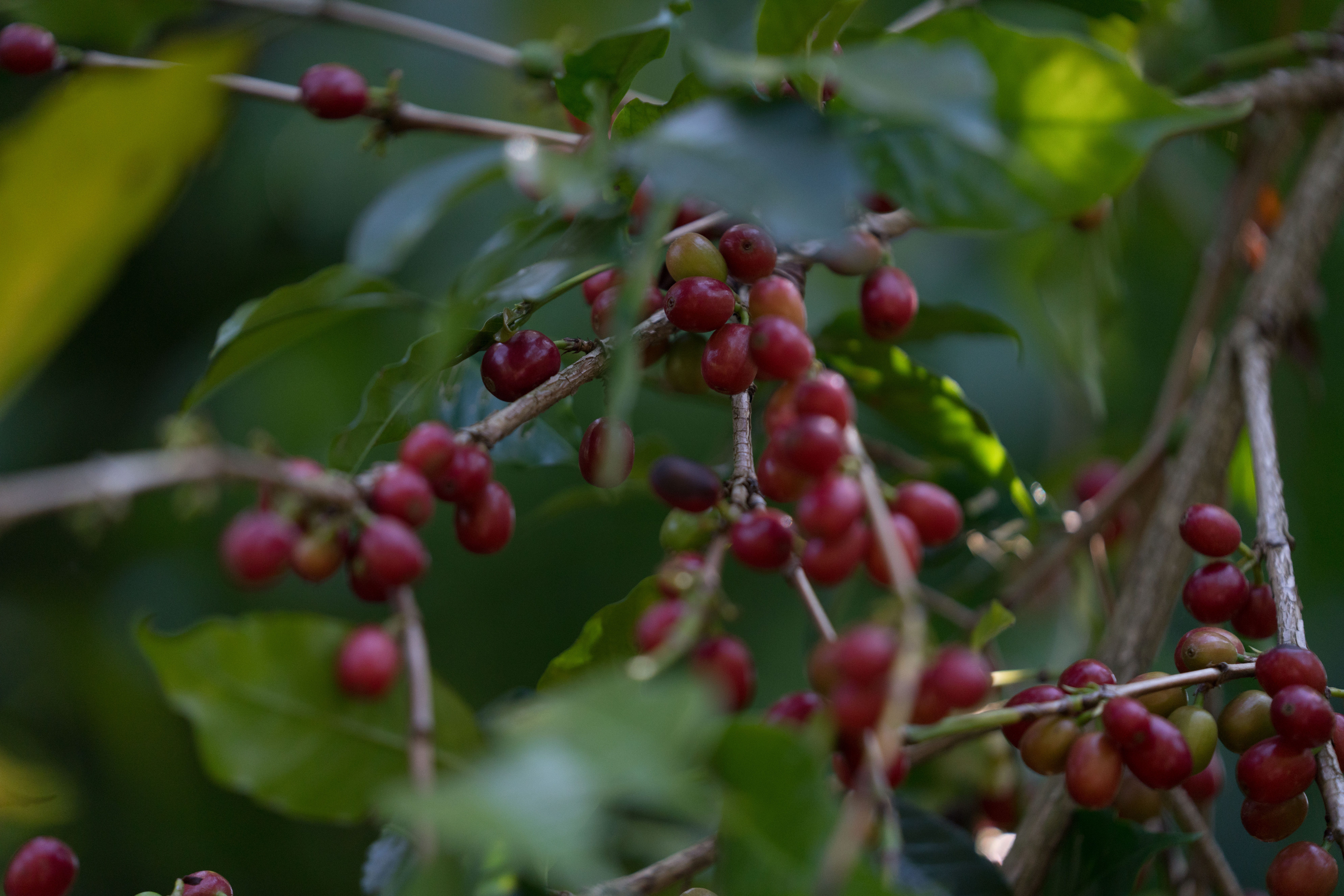
Most farmers here are working on less than a hectare of land. These aren’t industrial farms. They’re more like coffee gardens, shaded, organic in practice, woven into daily life.
Ethiopia doesn’t grow coffee because it was told to.
It grows coffee because it always has.
Why This One Matters to Us
This coffee feels like a reminder.
A reminder of why Ethiopian coffee mattered so much early on.
A reminder that washed coffees can still be expressive.
It doesn’t try to impress.
It doesn’t chase trends.
It just quietly delivers.
And sometimes, that’s exactly what you’re looking for.
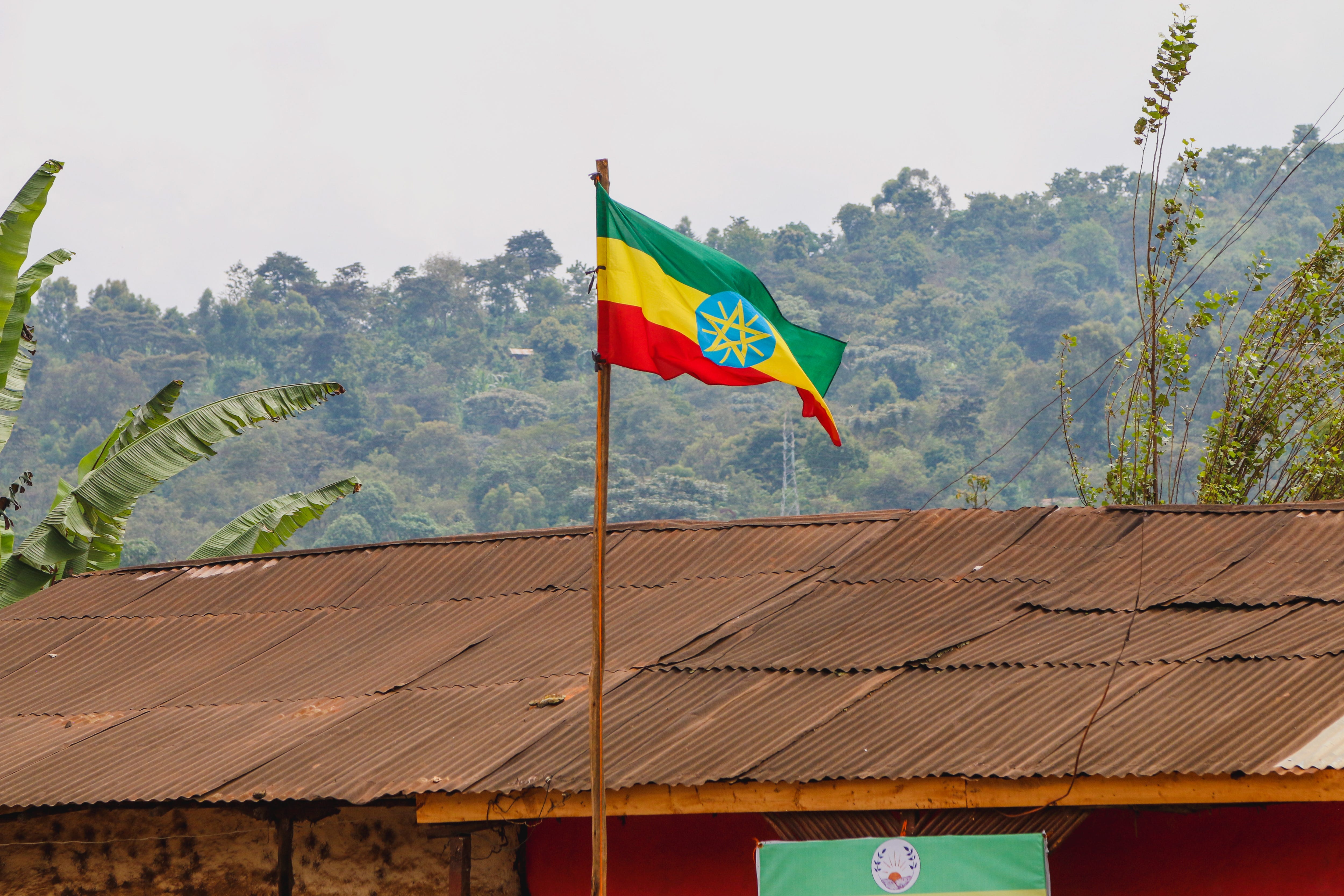
Yirgacheffe, Ethiopia — Idido Washing Station (Malebo Project)
Grapefruit · Sugar Cane · Lime
Washed Special Prep · Heirloom Varieties · 1850–1880 MASL
Harvested October–January
Brew it slow. Let it cool.
See what it reminds you of.