
Coffee Is Always a Compromise
Because “perfect” depends on who’s holding the cup

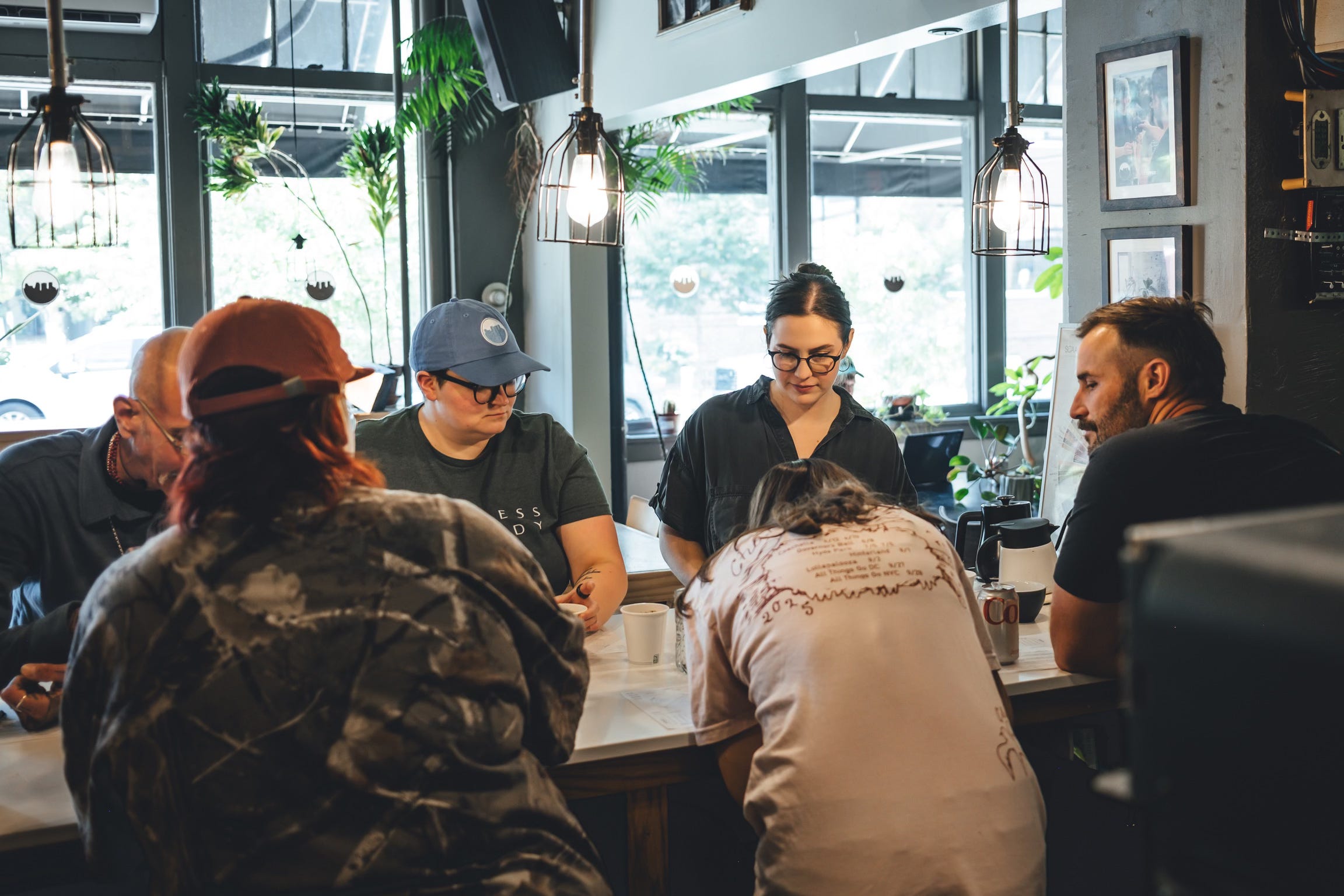
I was having coffee with a friend the other day.
He took a sip, paused, and said, “This tastes… different.”
He couldn’t quite explain it, but he knew something was off.
I tried it too. It was off.
My guess? It had just been roasted a few days ago.
That new-coffee energy is real. The beans are still letting off gas from the roasting process, and those gases make it hard for water to fully saturate the grounds. The result? A cup that somehow tastes both fresh and flat.
Wait a week or two, though, and the opposite happens. The gases calm down, the brew evens out—but those wild aromatics that make the coffee sing start to fade.
You lose a bit of the spark.
There’s a small, shifting window where everything clicks—and no one can agree on exactly where it is.
And that’s kind of the point.
Every cup of coffee is a compromise.
Compromise is built in
Every step in the process—from farm to cup—is full of trade-offs.
Roasters, baristas, and drinkers all make choices about what to value and what to let go of.
Grind a little finer and you might pull more flavor, but also more bitterness.
Brew longer and you’ll get depth, but maybe lose brightness.
Add milk, and you gain comfort—but lose clarity.
There’s no escaping it. Every choice tilts the balance somewhere else.
Even the way we roast is a decision about compromise.
Do we want absolute consistency?
Or do we want to celebrate where the coffee came from—even if that means each origin behaves a little differently?
At Corner, we roast light because we like the surprises.
Light roasts highlight the soil, the altitude, the little quirks that make each coffee distinct.
They’re less predictable—but a lot more alive.
We’d rather have a cup that makes us feel something than one that just hits the same note every time.
Enjoyment is subjective
Some people want their coffee to taste bold and heavy.
Some want it delicate and tea-like.
Some just want it hot and caffeinated while they get out the door.
None of them are wrong.
Because taste isn’t a formula—it’s a mirror.
It reflects what you value, what you’re used to, what you need in that moment.
The same coffee that feels “too sour” today might feel perfect tomorrow.
The same roast that someone calls “underdone” might be another person’s favorite.
Coffee gives us endless ways to disagree. And that’s what keeps it interesting.
Maybe the goal isn’t perfect
Maybe the best cup isn’t the one that checks every box.
Maybe it’s the one that sparks a conversation, or makes you curious, or reminds you why you love coffee in the first place.
So yes—every cup is a compromise.
And that’s exactly why we keep brewing, tasting, experimenting, and learning.
Because somewhere between too fresh and too flat,
between precision and play,
between your taste and mine,
is where coffee gets really good.
Sometimes I think that the great proverb "Noone can step into the same river twice..." applies to coffee. It's never a static situation...
Superbly insightful analysis!