
Freshness Is the Point
Why time, restraint, and proximity matter more than shelf life

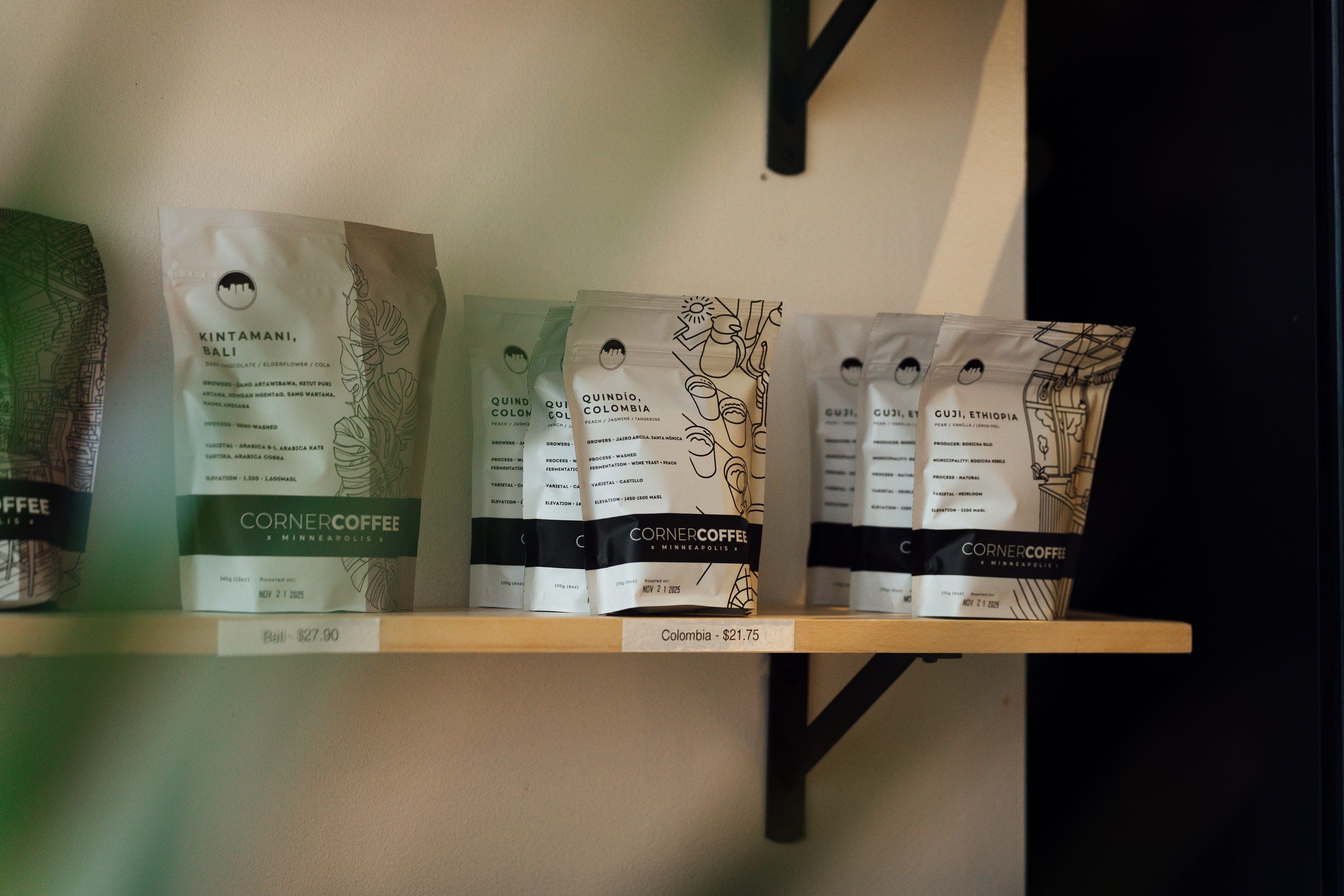
Fresh coffee isn’t about being impressive. It’s about being honest.
Somewhere along the way, coffee became a product that pretends time doesn’t matter. Beans roasted months ago. Ground weeks ago. Sitting under bright lights, sealed just well enough to suggest everything is fine.
We learned to accept it because it was convenient.
And because no one taught us to expect anything different.
But coffee isn’t shelf-stable by nature. It’s agricultural. Seasonal. Alive for a moment, and then, gradually and predictably, it fades.
Freshness isn’t a bonus feature.
It should be the starting point.
Coffee Has a Window (Not an Expiration Date)
Coffee doesn’t suddenly go bad on a specific day. It won’t betray you the moment a calendar flips. But it does move through a window where it tastes most like what it’s meant to be.
In the first few days after roasting, coffee is still releasing gases. Brew it too soon and you’ll often taste sharpness or imbalance; not because something went wrong, but because the coffee hasn’t finished becoming itself yet.
Give it a little time, and something changes. Extraction evens out. Sweetness becomes clearer. Acidity gains shape. The cup settles into itself.
Then time keeps moving.
After three to four weeks, most coffees begin to dull. Not unpleasant. Not “bad.” Just quieter. The clarity softens. Complexity flattens. The cup still works; but it no longer tells the full story.
If we’re going to put this much intention into sourcing, roasting, and brewing, then freshness isn’t optional. It’s part of our responsibility.
Oxygen Is the Quiet Thief
Most flavor loss in coffee comes down to one thing: oxygen.
The more oxygen touches the coffee, the faster those volatile, beautiful flavors disappear. That’s why grinding accelerates staling; smaller particles mean more surface area, which means more oxygen exposure.
It’s also why we don’t sell pre-ground coffee off the shelf. Not out of snobbery; we’ll gladly grind it for you if that’s what you need; but because once a bag is opened, the clock speeds up dramatically.
Even well-intended packaging choices can work against freshness. Degassing valves, for example, are designed to let CO₂ escape while keeping oxygen out. In theory, that’s helpful. In practice, valves are often misused or fail, and squeezing a bag to smell the coffee pulls oxygen back in — undoing the very thing the valve is meant to protect.
Sometimes the thing that feels more premium quietly does more harm.
Why We Choose Restraint Over Reach
This is why we roast in smaller batches.
Why we care about roast dates.
Why we’d rather sell out than stockpile.
Freshness forces restraint. It means building systems around rhythm instead of volume. Around timing instead of maximum distribution. Around the reality that quality degrades when we pretend time doesn’t exist.
It’s also why we’ve been cautious about grocery shelves. Not because grocery stores are bad; but because they often require timelines that flatten the story of the coffee itself. We haven’t yet found a way to meet that system’s expectations without asking the coffee to compromise first.
That tension matters to us.
Freshness Is About Proximity, Not Perfection
Fresh coffee tastes more alive. Not louder. Not trendier. Just clearer. You can taste origin without guessing. Sweetness doesn’t need help. The cup explains itself.
But freshness does something else too; it shortens the distance between people.
Shorter timelines. Fewer handoffs. Less space between decision and outcome. When something is fresh, feedback is immediate. Learning happens faster. Responsibility stays close.
That’s true in coffee.
It’s true in communities.
It’s true in work that actually matters.
A Simple Invitation
Our ask is uncomplicated.
Honor the people.
Honor the effort.
Honor the story.
That doesn’t mean only buying from us. It means buying from your local roaster; someone close enough that freshness isn’t theoretical. Someone who has to stand behind the coffee while it’s still in its prime.
Fresh coffee isn’t a flex.
It’s respect, practiced daily.