
Rwenzori, Uganda — Natural
Dried blueberry · Apple blossom · Strawberry jam

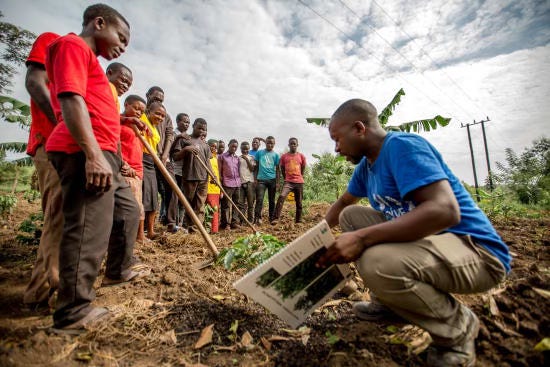
There are coffees that taste like coffee. And then there are coffees that taste like stories—of mountain air, patient drying tables, and neighbors who pick cherries together and share the work. Rwenzori Silverback (Natural) is the second kind. It’s bright, fruit-forward, and a little wild in the best way: dried and fresh berries, a wine-like sparkle, and soft, fruit-driven sweetness that lingers.
Here’s exactly what’s in your cup.

Quick Specs
Origin: Rwenzori, Uganda (fertile volcanic soils along the DRC border)
Producers: Smallholder farmers contributing to the Rwenzori Silverback project
Process: Natural (dry process), slow dried 21–35 days on raised beds
Varieties: SL-34, K7, Blue Mountain
Elevation: 1500–1900 MASL
Harvest window: November–January (regionally, picking can run Sept–Dec depending on elevation)
Cup profile: dried blueberry, apple blossom, strawberry jam; lively, “boozy” acidity; round, fruit-like sweetness.
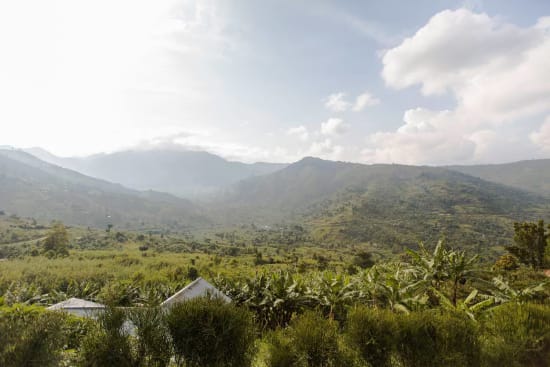
The Place & The People
The Rwenzori Mountains straddle Uganda and the DRC—cloud-brushed ridgelines where coffee grows on small plots, usually under 2.5 hectares, interplanted with bananas, beans, and other daily staples. Uganda is historically famous for Robusta; but over the last decade, Arabica quality has been rising, and this lot is why we’re paying attention. It carries clarity, character, and community—written right into the cup.
How It’s Processed (and why it tastes like berries)
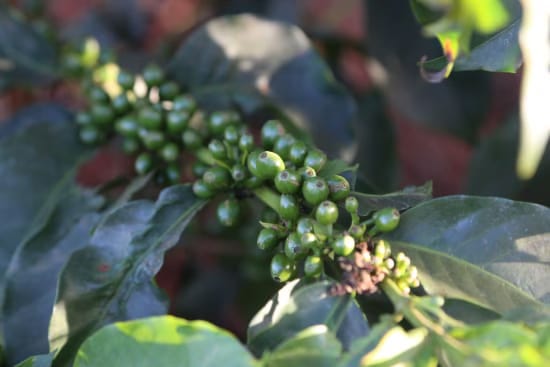
Selective picking at peak ripeness; cherries are delivered to the station the same day.
Float sorting removes under-ripe and damaged fruit.
Slow drying on raised tables for 21–35 days, turned frequently for even airflow.
Dry milling and export prep in Kampala.
Letting the fruit dry on the seed is a big part of why you’ll taste jammy berries, florals, and that gentle, wine-like pop. Think sun-dried fruit meets clean mountain air.
Variety Notes (coffee-nerd corner)
SL-34: Classic Kenyan selection (Scott Labs, 1930s) known for sweetness and bright, structured acidity.
K7: Another Scott Labs selection; resilient in the field, balanced in the cup.
Blue Mountain: Typica-lineage variety introduced to Jamaica in the 18th century—elegant and composed.
Together they create a cup that’s fruity yet poised—playful without chaos.
Brew Guide (starting point)
Filter
Dose: 20 g
Water: 320–340 g (1:16–1:17) at 202–205°F (94–96°C)
Grind: Medium; target 2:45–3:15 total time (V60/Kalita)
Goal: Juicy berry sweetness, clean finish, floral lift as it cools
Espresso
Ratio: ~1:2.2
Time: 28–32 sec
Expect: Jammy sweetness with a lively, sparkling edge
Tip: Give it 5–7 days off roast for the natural process to settle into its best balance.
Transparency Snapshot
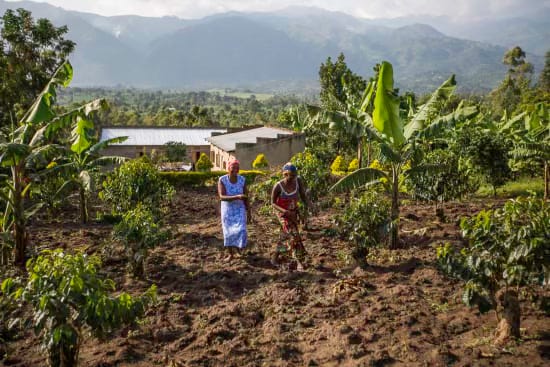
Smallholder blend from the Rwenzori region, aggregated with same-day cherry intake.
Quality controls: float sorting, raised-bed management, slow, even drying; careful parchment rest before milling.
Context: While Uganda is the historic home of Robusta, Arabica now accounts for a meaningful share of exports—and quality keeps climbing. We’re here for it.
Because People
Coffee is a connection. This bag is a handshake with farmers who climbed steep hills for ripe cherries, station teams who turned beds for weeks, and baristas who dialed it in so you could catch that first blueberry note.
Thanks for being the kind of community that cares about where coffee comes from and who it supports.
It will be available at our online store soon!