
Getting Espresso Dialed In
Because espresso changes hour by hour.

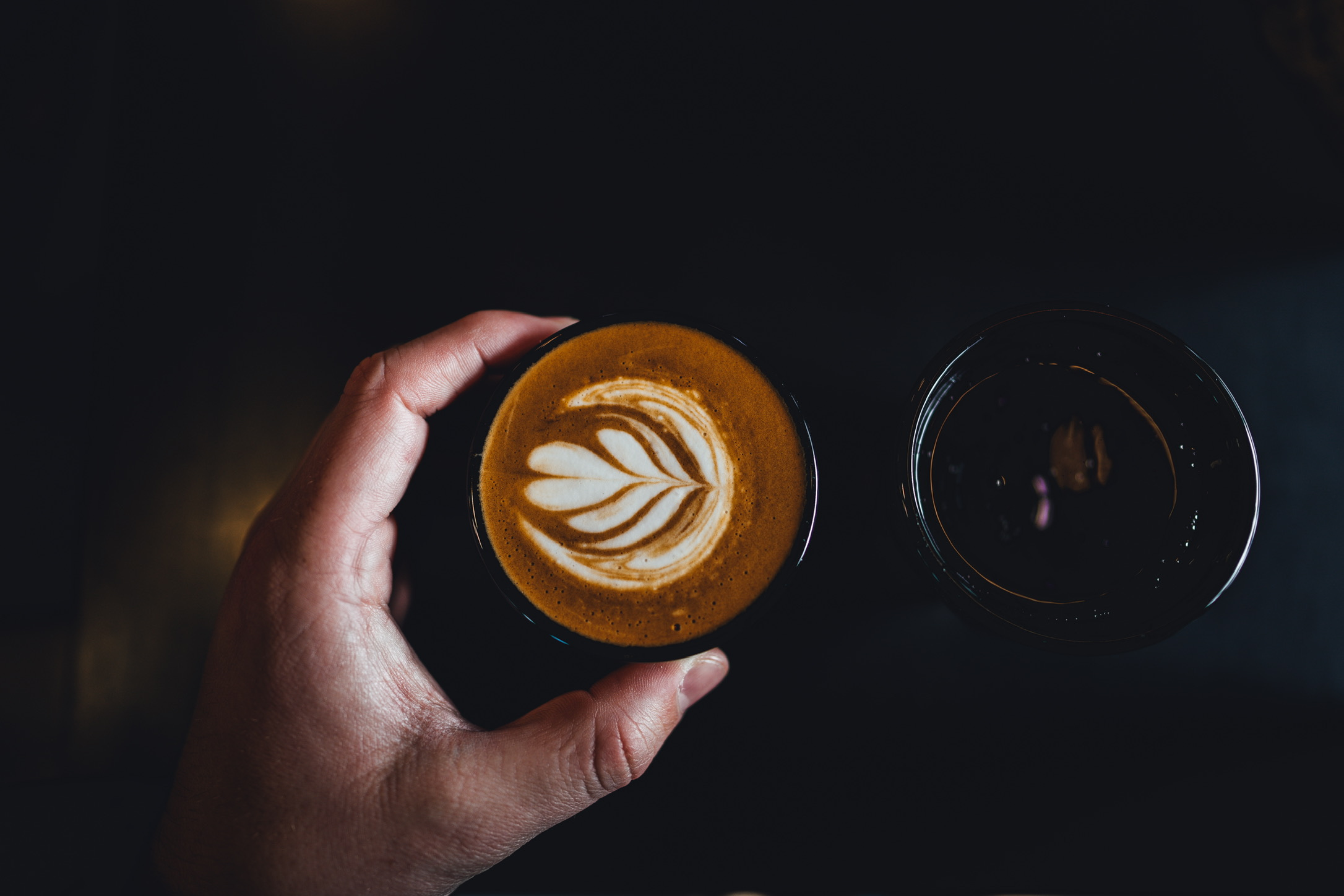
There’s a moment behind the bar that most people never see.
Before the doors open. Between rushes. Sometimes right in the middle of a line.
A barista pauses, pulls a shot, tastes it, makes a small adjustment, and pulls another.
If you’ve ever wondered why your latte took an extra minute, or why we sometimes look unusually focused behind the bar… this is usually why.
We’re dialing in espresso.
And it’s not about being fancy.
It’s about being attentive.
Espresso Is Alive
We wish espresso was like flipping a switch.
Set the grinder once. Push the button. Perfect shot all day.
But espresso doesn’t work like that.
Coffee changes as the day goes on.
The beans age (even over a few hours).
The grinder warms up.
The weather changes.
The humidity changes.
The pace of the bar changes.
And in Minnesota, those swings can be dramatic.
Super dry winters. Humid summers. Big temperature changes when the door keeps opening.
All of it changes how water moves through coffee.
And espresso is unforgiving. A tiny change makes a noticeable difference.
If you’ve read “Freshness Is the Point”, you already know we don’t believe coffee is meant to be shelf-stable.
Espresso is the same way: it has a window, it has a rhythm, and it demands attention.
So we don’t treat it like a fixed recipe.
We treat it like something you stay aware of.
Coffee Is Always a Compromise (Especially Espresso)
I wrote a post once called “Coffee Is Always a Compromise”, and espresso might be the clearest example.
Every decision has a trade-off.
Grind a little finer and you might gain sweetness… but also pull bitterness.
Let it run a little longer and you might get more body… but lose clarity.
You can chase “perfect,” but what you actually have is a moving target.
That’s why dialing in isn’t a one-time event.
It’s a continual process.
What “Dialing In” Actually Means
Dialing in is just our way of asking a simple question:
“Is this the best version of this coffee right now?”
Practically, it looks like this:
We pull a shot.
We check the basics (time, weight, how it’s flowing).
We taste it.
We adjust the grind a little finer or a little coarser.
We repeat until it’s balanced.
Balanced is the goal.
Not bitter.
Not sour.
Not thin.
Not harsh.
Something sweet, clear, and honest.
It’s Not Once a Day. It’s All Day.
Most of our espresso machines have shot timers.
That means the feedback is right there in front of us, shot after shot.
So when something starts to drift, we don’t wait until tomorrow.
We adjust on the fly.
Dialing in is less like “setting it and forgetting it,” and more like steering.
Small corrections. Constant attention.
A Small Ask
If you ever see us dialing in while you’re waiting, here’s what we hope you hear underneath it:
We care about what you’re about to drink.
We’re not stalling.
We’re not performing.
We’re trying to serve you something we’re proud of.
Because coffee is what brings us together.
Care is what makes it matter.
If you want us to go even deeper, reply and tell us what you’ve always wondered about: grind size, shot time, why espresso drifts during the day, or what we mean by “balanced.”
Related reading
A quick note for our subscribers:
This section is where we get specific. The exact espresso recipe and dialing guidelines we use across our cafés live here as a way of sharing the real, day-to-day work with the people who support what we’re building. If you’re a paid subscriber, this is us opening the notebook—showing the ratios, ranges, and decision-making we actually rely on behind the bar.
